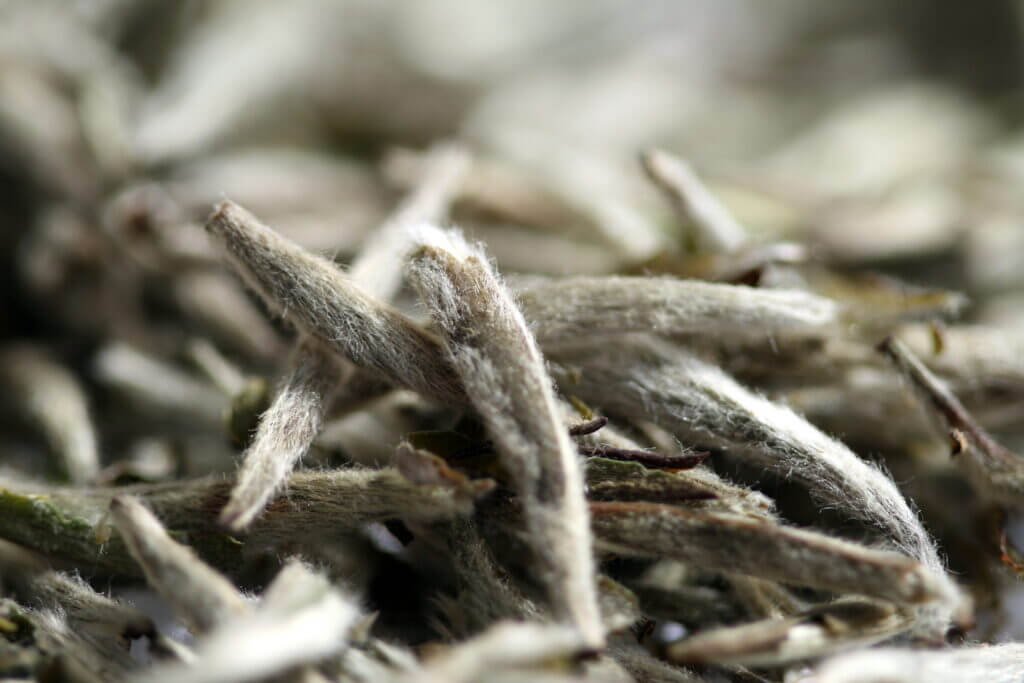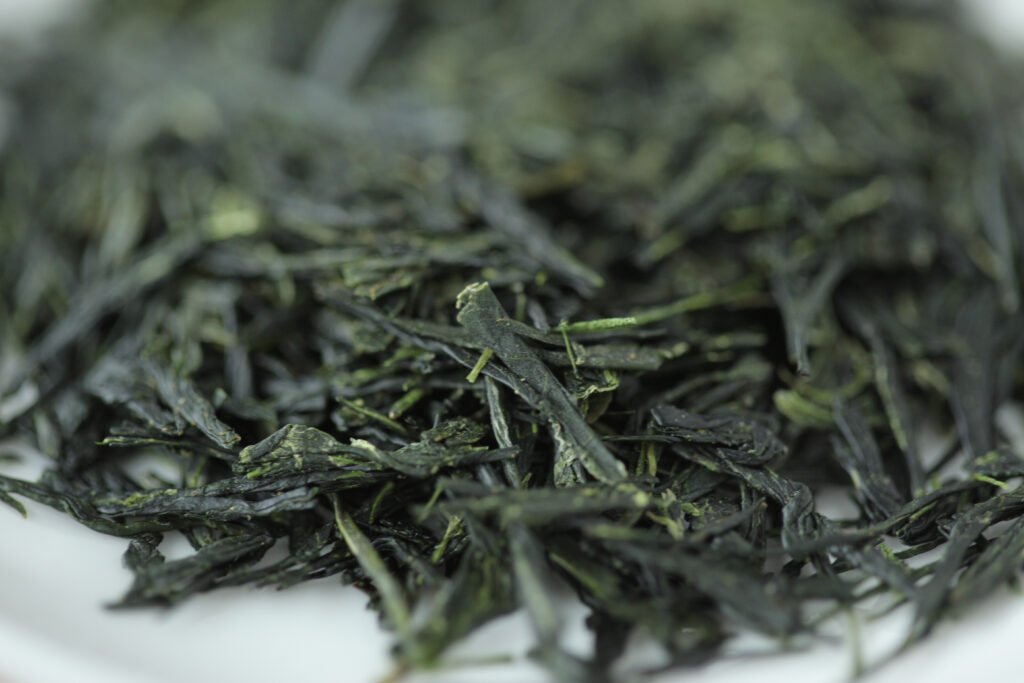
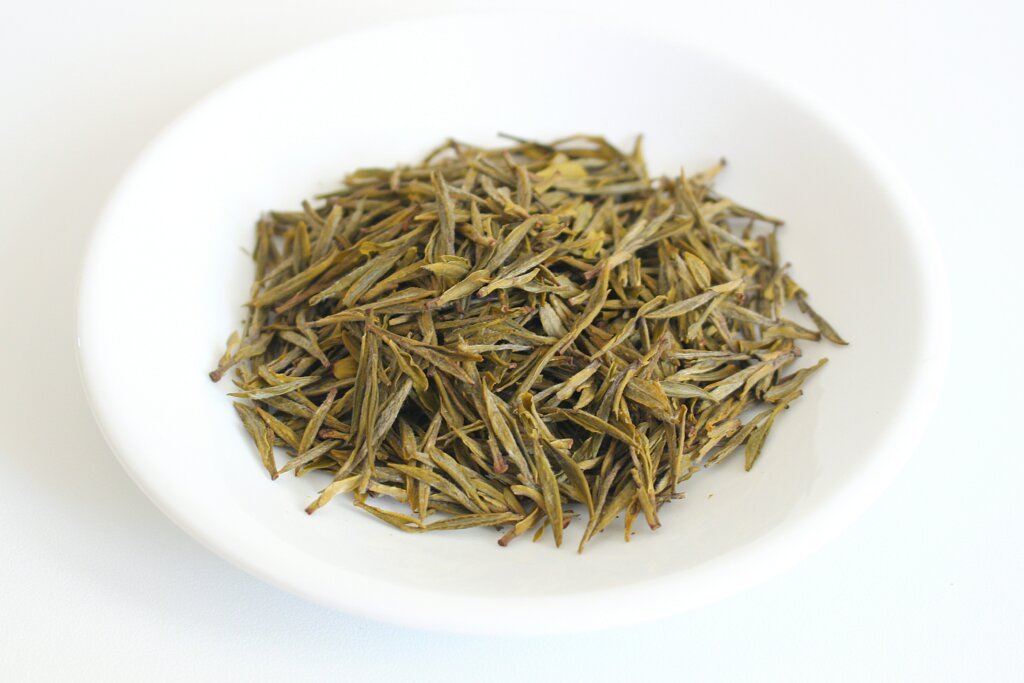
Yellow tea is one of the world’s rarest teas, produced through a slow, highly skilled and labour‑intensive process that takes up to three days and results in very small batches made almost exclusively in China.
Below is a clear overview of how yellow tea is made and how each step shapes its final character.
The Production Steps of Yellow Tea
Yellow tea owes its name to a specific stage in its processing. After the leaves are partially dried and still warm, they are wrapped in a damp cloth. This creates a gentle oxidation that gradually turns the leaves a yellowish colour.
1. Plucking and Whitering
The yellow tea production process begins with the plucking of young buds. Because yellow tea sits between white and green teas, these buds are essential: they contain higher levels of amino acids that contribute sweetness and umami, have naturally lower bitterness, and offer more delicate floral aromas compared with mature leaves.
Once plucked, the leaves undergo withering in the same way as green tea. They are briefly withered immediately after picking to soften the leaf structure and prepare them for the next stage of production.
2. Fixing
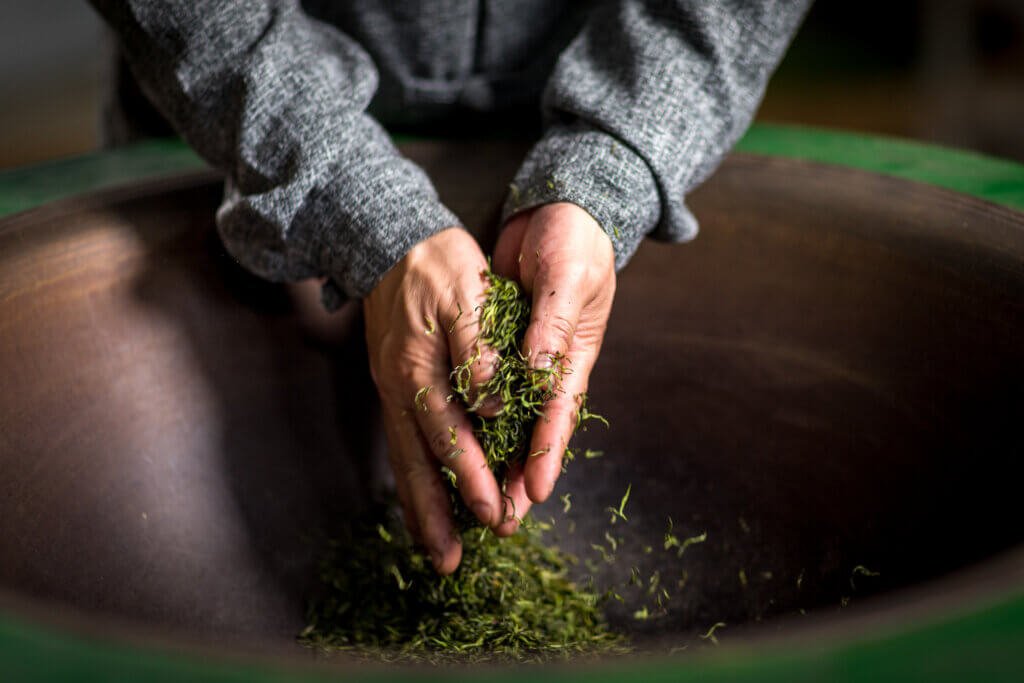
In this phase, the leaves are heated in a wok at relatively low temperatures (around 120°C) for a shorter period than green teas to stop oxidaiton, deactivating the enzimes responsible for it.
Producers typically carry out the fixing step by hand, gently moving the leaves to ensure the heat spreads evenly. This process is usually done in small batches.
3. Wrapping
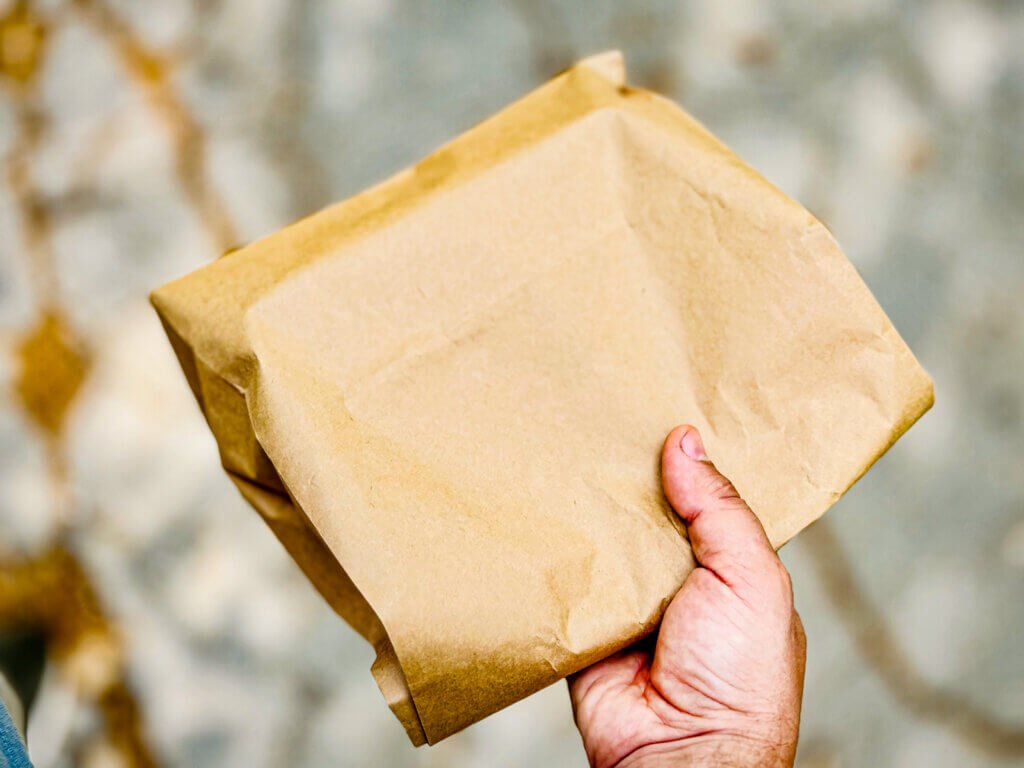
While still warm and slightly moist, the leaves are wrapped in thick paper or cloth to undergo the “yellowing” phase. This enclosed environment allows the leaves to slowly release and take back moisture, keeping the humidity stable. This environment supports slight additional oxidation and leads to a non-enzymatic fermentation.
Over the next day or two, the leaves are unwrapped, then the process is repeated several times. The leaves are lightly roasted at a lower temperature and for a shorter period while being stirred, then wrapped again. This cycle continues until the desired stage of oxidation is reached.
4. Drying
After the previous stages, the leaves are dried, typically by gently baking them over charcoal at low temperatures. This method preserves the tea’s freshness and quality, stops oxidation, and helps maintain its natural flavor and aroma.
Conclusion
Yellow tea follows a process very similar to green tea. Its uniqueness comes from one extra stage—the slow yellowing (post-oxidation) process, where warm leaves are wrapped and gently oxidised. This added step tempers the grassy sharpness of green tea, giving yellow tea its distinctive gentle flavour, subtle sweetness, light floral nuances, and a naturally silky finish.
True examples of this rare style include Jun Shan Yin Zhen, Meng Ding Huang Ya, Huo Shan Huang Ya, and Mogan Huang Ya.