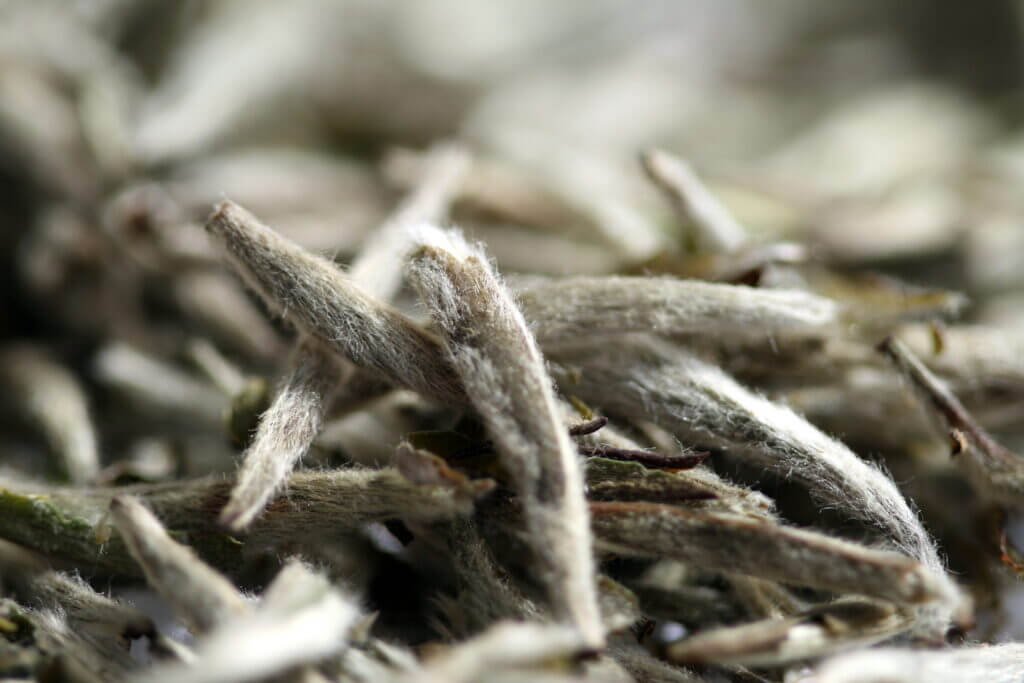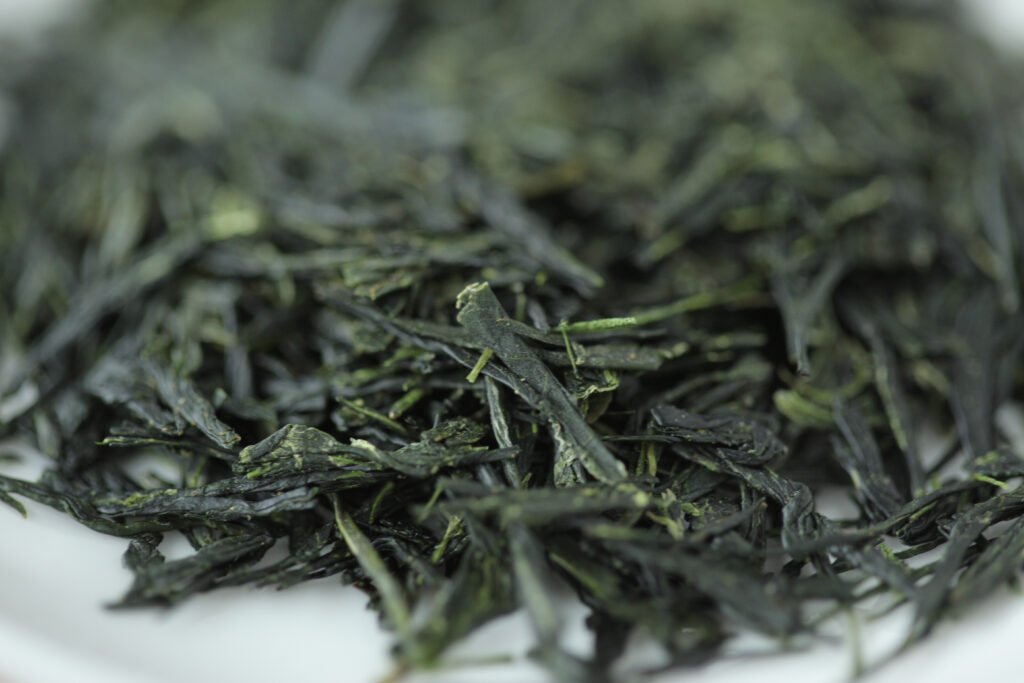
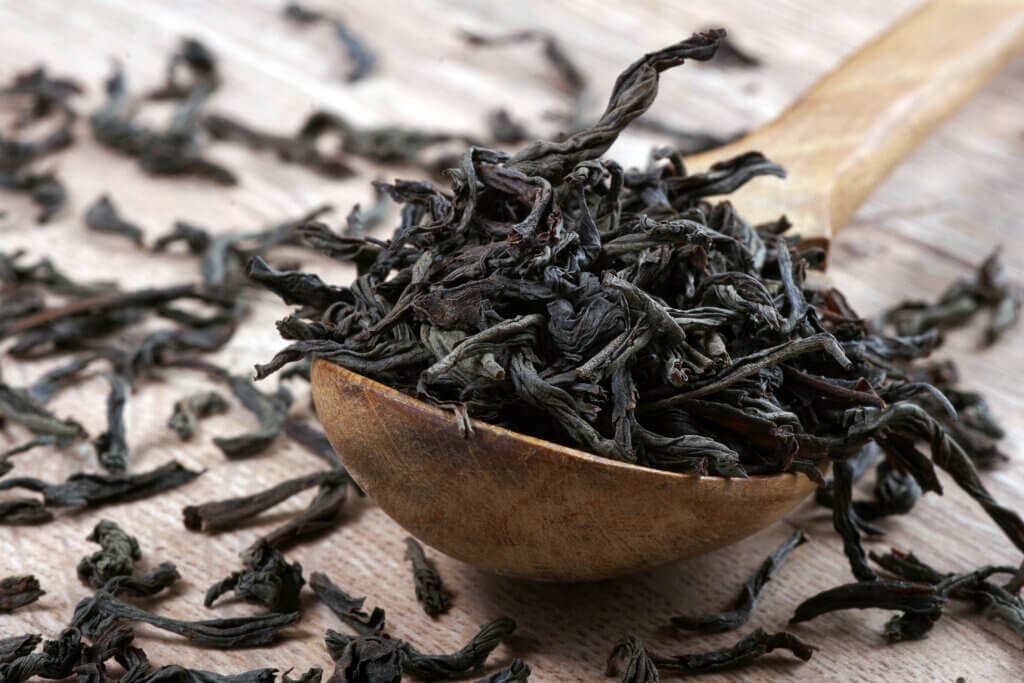
In China, black tea is known as hong cha (“red tea”) for the amber‑red colour of its infusion, unlike the English name, which refers to the dark appearance of the processed leaves.
Black tea is not fermented but almost fully-oxidised. This process gives it far greater stability than other teas, making it well suited to long sea voyages during the major tea trade between China and Britain in the late 18th and early 19th centuries.
Today, black tea is one of the world’s most consumed beverages—a popularity accelerated by the invention and convenience of tea bags.
Despite its wide consumption, black tea is often undervalued. The dominance of low‑grade tea in the commodity market can overshadow the depth and complexity found in high‑quality black teas.
Continue reading to learn how high‑quality black tea is produced.
The steps in producing Black Tea
Black tea can be produced through two main approaches: the orthodox method and the CTC method. Each method produces a distinct style of tea with different qualities and commercial purposes.
Orthodox Method
The orthodox method is the traditional process used for higher‑quality black tea. Although regional practices vary, it follows five key steps: plucking, withering, rolling, oxidation, and drying. This method preserves leaf integrity.
CTC Method (Crush, Tear, Curl)
The CTC method is a mechanised industrial process used for lower‑quality tea leaves. It accelerates oxidation, increases yield, and is used for mass‑market commodity teas. These blends have no traceable origin, are found in tea bags, and produce a stronger, more astringent infusion often taken with lemon, milk, or sweeteners to soften their bitterness.
1. Plucking
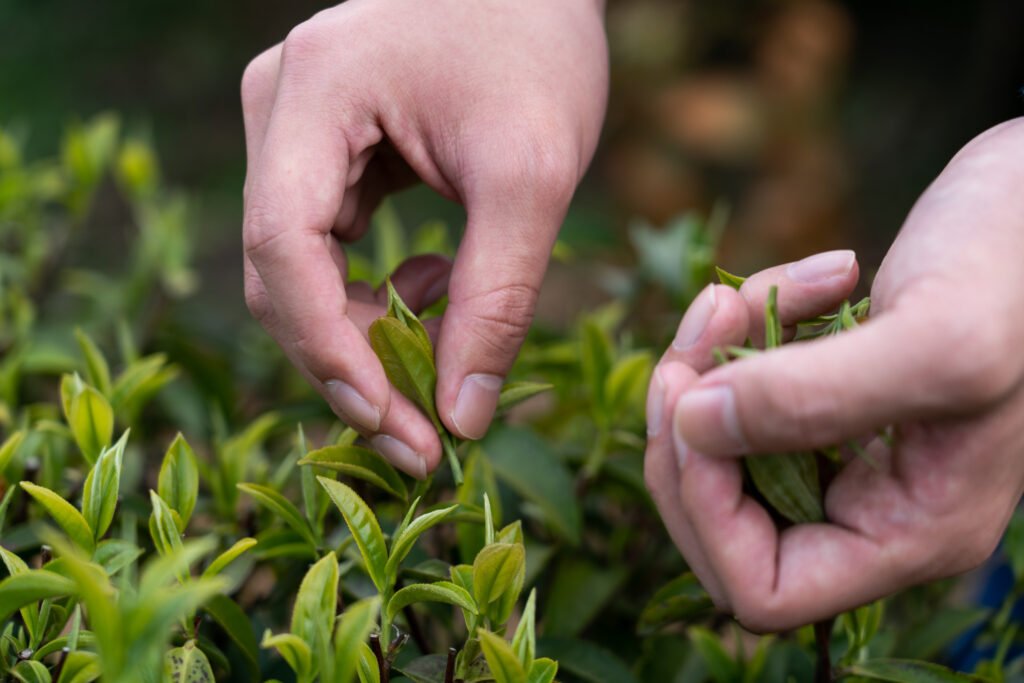
Black tea plucking can vary but are usually buds and young leaves. Once the harvest arrives, an expert carefully inspects the leaves before production begins—a crucial step for achieving even and complete oxidation. Proper leaf selection also supports a uniform wither, which leads to the best results.
2. Withering
After the tea leaves are sorted by grade, they move into the withering stage. This process reduces their moisture content, softens the leaves, and diminishes their natural waxy coating, making them flexible enough to roll without tearing. During withering, the leaves’ natural enzymes become active, causing some proteins to break down into amino acids that later contribute to the flavour and aroma of black tea. To achieve this transformation, the freshly picked leaves are spread out in a thin layer and exposed to open air or given gentle heat.
3. Rolling
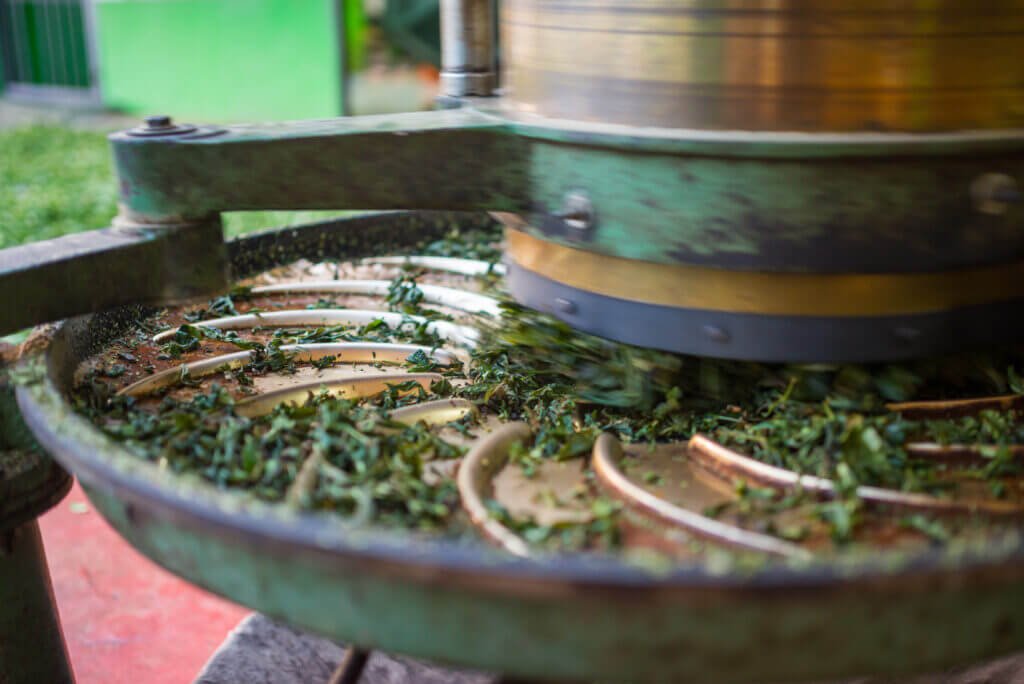
Once the leaves have withered, they are vigorously rolled—either by hand or using specialized machinery. This stage break down the leaf’s internal cell compartments, allowing the enzymes and compounds inside to mix and initiate the oxidation process.
A variety of techniques can be used for rolling, but the two most widely methods are orthodox rolling and the CTC (crush–tear–curl) method.
4. Oxidation
During oxidation, the tea leaf goes through a noticeable color shift—from green to golden, coppery, or even brown. This happens because the leaf’s natural polyphenols react with oxygen, forming theaflavins (TFs) and thearubigins (TRs). Theaflavins add brightness and briskness to the tea, while thearubigins contribute depth, body, and darker color.
Producers must carefully manage the balance between TF and TR, adjusting the length of oxidation to match what their market prefers. A shorter oxidation creates a lighter black tea; a longer one results in a robust, rich and deep infusion.
Temperature and humidity influence the progress of oxidation, so the producer must monitor conditions and adjust as required. Once the ideal point is reached, oxidation must be stopped quickly to preserve flavour, aroma, and appearance.
5. Drying
When the leaves reach their optimal oxidation level, they are dried with heated air. This step stop all enzymatic reactions and reduce the moisture level, helping stabilize the tea’s flavors and aromas.
Conclusion
Black tea is produced by almost fully oxidising young tea leaves. After plucking, the leaves are withered to reduce moisture, then rolled to break the leaf structure and expose the enzymes to oxygen. The leaves are allowed to oxidise until they develop their typical colour and aroma, and are then dried to stabilise the flavour. This high level of oxidation gives black tea its characteristic profile, which can range from malty and robust, as in our Assam SFTGFOP1 Mangalam, to lighter and more floral styles such as our SFTGFOP1 Phuguri 1st Flush.